
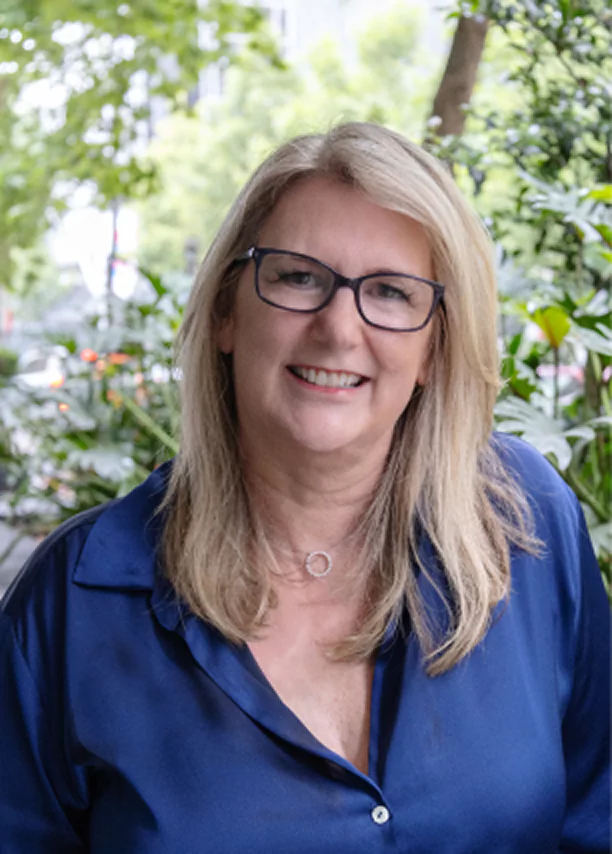
NICOLA MILLS
Founder & Director
Sunny Balcony
Harnessing the Power of “Yes, If…”
A Decision-Making Mindset That Creates Possibility
As we turn the page on this financial year, I find myself coming back to a familiar phrase —one that’s been a guiding light in both my leadership and personal decision-making for years: “Yes, if…”
There’s something about the fresh start of a new year — new plans, new budgets, new ambitions — that brings with it a wave of opportunities, challenges, and choices. But the best decisions aren’t made with knee-jerk yeses or flat noes. They’re made in that more nuanced space in between.
Over the years, I’ve found that “Yes, if…” is where the real leadership happens.
It’s a mindset I’ve leaned on again and again while building Sunny Balcony and supporting leaders across our group. “Yes, if…” has become a powerful tool not just for managing decisions, but for building trust, unlocking creativity, and inviting people into shared ownership of outcomes.
Why “Yes, if…” Works
At its heart, “Yes, if…” is about openness with boundaries. It starts with a willingness to consider an idea—and then sets the terms that make that idea workable. It says: I’m not shutting this down, but I’m also not saying yes without thought.
I’ve seen this principle applied in all kinds of scenarios:
- When a team member requests a pay rise:
“Yes, if we can tie it to performance outcomes and create a path that grows the business too.” - When someone proposes a new project:
“Yes, if we can align it with our strategic goals and build a solid ROI case.” - Launching a new product or service:
“Yes, if we can test it with a pilot group, track impact, and prove there’s market demand.”
What I love about “Yes, if…” is that it encourages dialogue. It invites a second layer of thinking — about resourcing, strategy, timing, and values. It also keeps the door open. No one feels shut down, and suddenly we’re collaborating instead of negotiating.
A Leadership Lens on Possibility
This mindset is more than just a decision-making tool — it’s become a cornerstone of how I lead. I’ve read widely about leadership models that encourage conditional collaboration, and I’ve seen firsthand how effective they can be when applied consistently and with care.
At Sunny Balcony, this way of thinking shows up in our Supported Start-Up model. We don’t just say yes to new businesses. We say yes if we can resource them properly, find the right leader, ensure the structure is scalable, and uphold the values we hold across the group. That balance — between ambition and discipline — is how we’ve scaled without losing our soul.
I’ve also seen the difference it makes in team culture. Saying “yes, if…” shifts the tone from gatekeeping to guiding. It says, “I believe in your idea — and here’s what we need to make it work.” It creates a shared sense of responsibility, which is ultimately what leadership is about.
Empowering Others Through Ownership
I use this approach not just with my direct reports, but with every founder and emerging leader I mentor — inside our group and outside. It’s a way to move decisions forward while empowering others to own the outcome.
Instead of protecting people from complexity, I invite them into it. “Yes, if…” makes the path visible and lets them decide whether they’re willing to walk it. More often than not, they rise to the challenge.
In Practice — and In Progress
We often talk about the importance of setting boundaries or encouraging innovation, but rarely both in the same breath. “Yes, if…” is where those two ideas meet. It creates room to grow, but with structure. And that’s where smart, sustainable decisions live.
It’s not perfect. Sometimes “Yes, if…” reveals that the answer really should be no. And that’s okay. The clarity it brings — whether the outcome is a green light or a pause — is what makes it so valuable.
Give It a Go
The next time you’re in a tricky spot — between a no that feels too harsh and a yes that feels too risky — try “Yes, if…”. It might just be the bridge between potential and progress.
For me, it’s become more than a phrase. It’s a practice. One that’s helped me grow businesses, support people, and say yes — on terms that make sense.
— Nicola Mills