
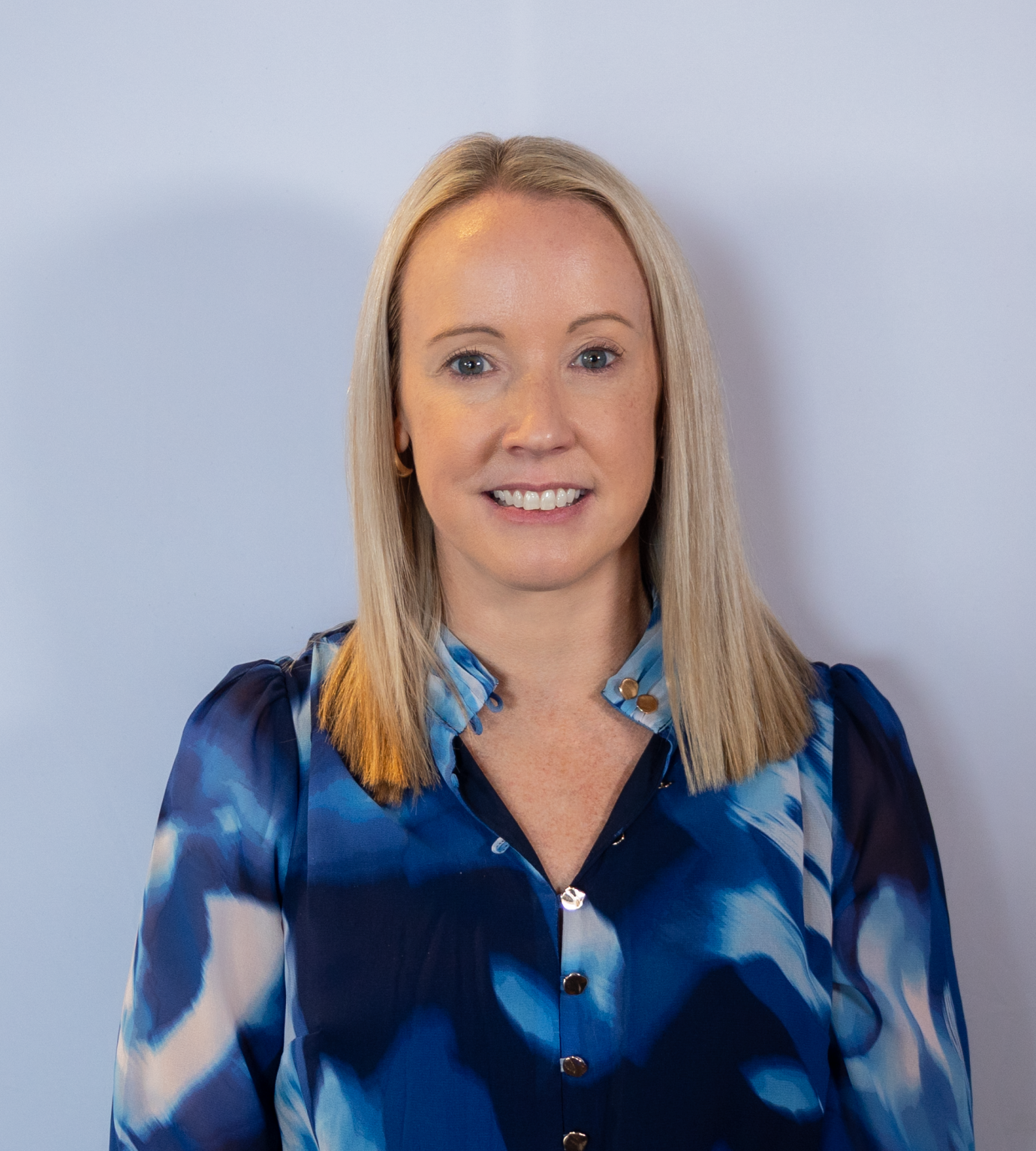
Kate Downing
General Manager
FundFindrs
Impactiv
Leading Through Change at Sunny Balcony
Reflections from our inaugural Sunny Balcony Leadership Day
Last week, Sunny Balcony Group brought together leaders and emerging leaders from across the group for our inaugural Leadership Day, held on 23 July 2026.
The day was designed to strengthen leadership capability, encourage cross-business collaboration and support our leaders as we continue to grow, adapt and evolve. Across the day, sessions explored Sunny Balcony’s 5 Pillars of Growth, change leadership, AI security and governance, leadership styles, difficult conversations, and practical leadership tools.
For Sunny Balcony, this matters because growth and change are not abstract ideas. They are happening across the group every day as our businesses scale, adopt new technologies, challenge existing ways of working and continue to build capability for the future.
Change is personal before it is organisational
One of the most impactful sessions of the day was the Change Leadership workshop facilitated by Vicky King from FutureBuilders.
The session was a timely reminder that leaders are not simply responsible for leading change. They are often experiencing that change themselves while also helping their teams navigate it.
Vicky King, experienced organisational development and leadership specialist, highlighted that people move through change at different speeds, with individuals often sitting at different points along the transition curve at different times
That insight resonated strongly with our group. As Sunny Balcony continues to grow, our leaders are being asked to create clarity, confidence and momentum while recognising that every person’s experience of change will be different.
Why AI makes change leadership even more important
A major theme of the Leadership Day was the pace of change being driven by AI and automation.
Vicky King’s session highlighted that 2026 marks a shift from AI exploration to AI implementation, with organisations seeing changes to skills, structures, processes, hybrid work and the nature of human responsibilities.
As a group, we are well advance with AI automations & workflows. But AI adoption is not just a technology challenge. It is a leadership challenge.
Leaders need to help people understand what is changing, what is not changing, where they still have choice, how their contribution remains meaningful and what support is available as new ways of working emerge.
Practical tools for leading through change
One of the most useful tools shared during the Change Leadership workshop was the CARES framework, which encourages leaders to consider the human needs that sit beneath people’s response to change.
The model prompts leaders to think about certainty, autonomy, relatedness, equity and significance, using questions such as “What can I be certain about right now?”, “What freedoms do I have to define a way forward?”, “Who is in this with me?” and “How will I define my contribution in the future?”
For Sunny Balcony, this was a valuable reminder that people do not always resist change itself. Often, they are responding to uncertainty, loss of control, changing expectations, new skill requirements or concerns about what the future means for them.
Leadership style matters
The day also included a practical session on Leadership Styles, led by Paul Birch, Sunny Balcony’s HR Director.
Paul Birch introduced six leadership styles based on Daniel Goleman’s leadership research: coercive, authoritative, affiliative, democratic, pacesetting and coaching.
This session added an important layer to the conversation about change. It reinforced that effective leadership is not about having one default style. It is about understanding the situation, the person, the level of urgency and the outcome required, then adapting the leadership approach accordingly.
For example, the session explored how an authoritative style can help frame a difficult conversation around a shared standard, while a coaching style can support longer-term development by helping someone understand the gap and agree on a practical plan forward.
It also explored the risks of overusing certain styles. The coercive style may be appropriate in a genuine crisis, serious conduct issue or safety situation, but can be disempowering if used too broadly. The pacesetting style can lift a strong, self-motivated team quickly, but may create confusion or pressure if people do not understand what “better” looks like.
For our leaders, the key takeaway was clear: leadership during change requires both self-awareness and flexibility.
Bringing it back to the 5 Pillars of Growth
The Leadership Day began with a session on Living the 5 Pillars as Leaders, which included leadership moments, a future state collage activity and leadership reflection.
The 5 Pillars of Growth – Growth & Investment, Expertise & Innovation, People & Mentorship, Collaboration & Support, and Celebration & Success – provided a useful anchor for the day.
The leadership reflection asked: “What would leaders need to do for this future to become a reality?”
That question captured the purpose of the day. If Sunny Balcony is to continue growing in a way that is ambitious, collaborative and people-focused, leadership capability needs to grow with it.
Looking ahead
Our inaugural Sunny Balcony Leadership Day was more than a one-day event. It was a step toward building a stronger, more connected and more self-aware leadership group across the Sunny Balcony ecosystem.
Vicky King’s session gave us practical tools for leading people through change. Paul Birch’s session challenged us to reflect on our leadership styles and how we approach difficult conversations. The broader program connected those insights back to our 5 Pillars of Growth, AI adoption, governance and the leadership behaviours we need for the future.
As Sunny Balcony continues to grow and evolve, one thing is clear: change will remain constant.
The opportunity for us as leaders is to meet that change with clarity, empathy, adaptability and courage.